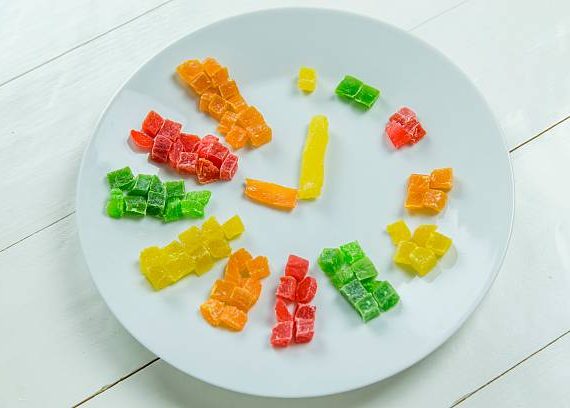
Maintaining a healthy diet often brings to mind strict rules and rigid meal plans, but effective portion control does not require harsh dieting. Instead, it involves adopting mindful habits that help regulate food intake naturally and sustainably. One key approach is becoming more aware of hunger and fullness cues. Eating slowly allows the body time to signal when it has had enough, preventing overeating before discomfort arises. This practice encourages enjoying each bite fully, which can reduce the tendency to consume large portions impulsively.
Another useful method is using smaller plates and bowls during meals. This simple adjustment can make portions appear larger visually while actually reducing the amount of food consumed. The brain associates plate size with quantity, so downsizing dishware helps trick the mind into feeling satisfied with less food without sacrificing enjoyment or variety on the plate.
Planning meals ahead also supports better portion control by minimizing spontaneous eating decisions that often lead to oversized servings or unhealthy choices. Preparing balanced meals in advance ensures appropriate quantities are available and reduces reliance on convenience foods, which tend to be calorie-dense and served in large amounts.
Incorporating plenty of fiber-rich vegetables into each meal contributes bulk without excessive calories, promoting satiety through hhc edibles review volume rather than energy density. Filling half your plate with non-starchy vegetables provides nutrients while naturally limiting space for higher-calorie items like grains or proteins.
Drinking water before and during meals can aid portion control as well by creating a sense of fullness that discourages overeating. Sometimes thirst is mistaken for hunger; staying hydrated helps distinguish between these sensations clearly.
Mindful snacking plays an important role too. Choosing nutrient-dense snacks such as fruits, nuts in moderate amounts, or yogurt prevents extreme hunger later on that might cause consuming overly large main course portions out of necessity rather than true appetite.
Avoiding distractions like television or smartphones while eating keeps attention focused on the food’s taste and texture rather than mindless consumption driven by external stimuli. Engaging fully with mealtime enhances satisfaction from smaller portions because each mouthful receives proper appreciation.
Finally, allowing flexibility within one’s eating routine fosters a positive relationship with food instead of viewing it as something restrictive or stressful. Occasional indulgences enjoyed consciously do not undermine overall portion control efforts if balanced thoughtfully over time.
By combining awareness of internal signals with practical environmental adjustments such as dishware size and meal composition strategies, individuals can manage their portions effectively without resorting to strict dieting regimes that are difficult to maintain long term. These methods encourage healthier habits rooted in balance rather than deprivation for sustainable wellness outcomes.