
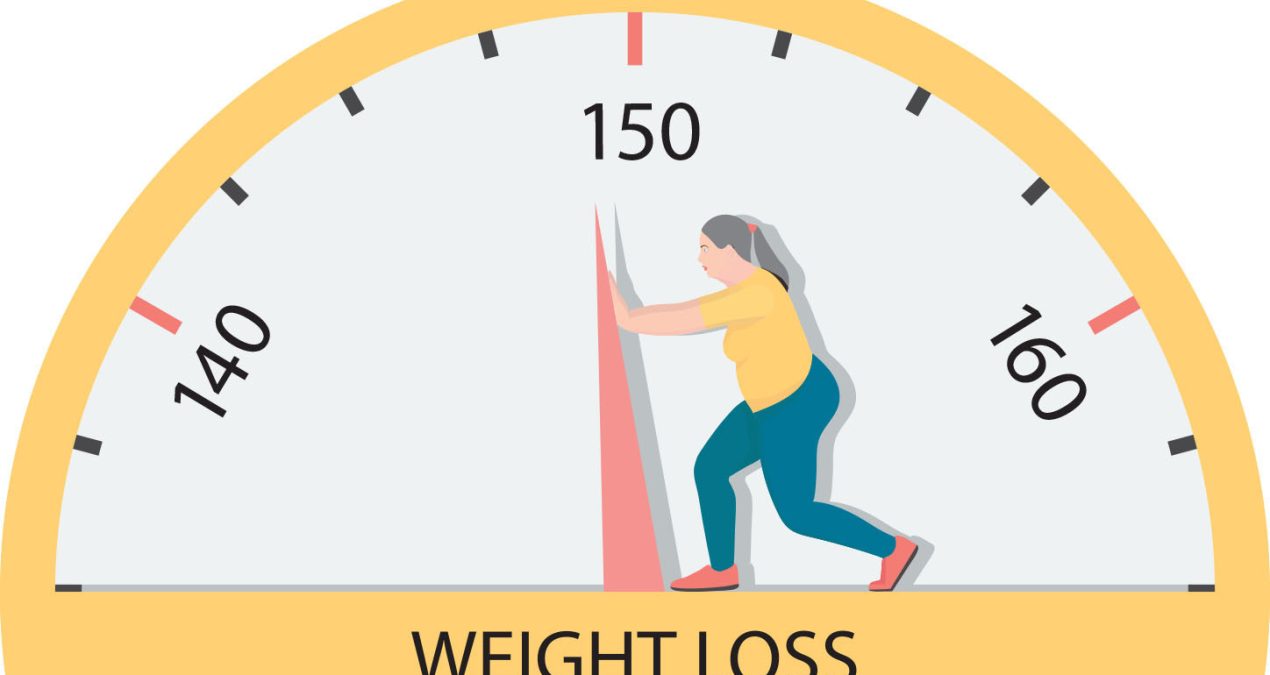
Embarking on a weight loss journey is a common goal for many, but achieving long-term success requires more than just quick fixes or fad diets. Sustainable weight loss is about adopting smart strategies that promote healthy habits and lifestyle changes. These approaches not only help in shedding pounds but also ensure that the weight stays off, fostering overall well-being.
One of the most effective strategies for sustainable weight loss is setting realistic goals. Instead of aiming to lose a significant amount of weight in a short period, focus on gradual progress. Aiming to lose one to two pounds per week is considered both safe and achievable by health experts. This approach helps prevent the burnout often associated with extreme dieting and exercise regimens while allowing your body time to adjust to new habits.
Mindful eating plays a pivotal role in smart weight management. It involves paying attention to hunger cues, savoring each bite, and acknowledging when you are full. By slowing down during meals and avoiding distractions like television or smartphones, you become more attuned to your body’s signals. This practice can lead to better portion control and reduce overeating tendencies driven by emotional triggers rather than actual hunger.
Incorporating regular physical activity into daily routines is another cornerstone of successful long-term weight management. Exercise should not be viewed as a punishment for overeating but rather as an enjoyable part of life that enhances physical health and mental well-being. Finding activities you enjoy increases the likelihood of maintaining them consistently—whether it’s dancing, cycling, swimming, or simply walking around your neighborhood.
A balanced diet rich in whole foods is essential for sustainable Weight Loss. Prioritize fruits, vegetables, lean proteins, whole grains, and healthy fats while minimizing processed foods high in sugar and unhealthy fats. Meal planning can aid significantly here; preparing meals ahead ensures healthier choices are readily available even during busy days when fast food might seem tempting.
Hydration cannot be overstressed when discussing effective weight loss strategies. Drinking enough water aids digestion boosts metabolism slightly through thermogenesis—a process where calories are burned as heat—and helps maintain energy levels throughout the day without unnecessary calorie intake from sugary drinks.
Sleep quality also impacts our ability to manage our weights effectively over time since inadequate rest affects hormones regulating appetite such as ghrelin (which stimulates hunger) versus leptin (which suppresses it). Strive towards seven-to-nine hours nightly alongside establishing consistent sleep schedules including weekends so internal clocks remain stable aiding hormonal balance crucially involved within metabolic processes affecting how efficiently calories consumed get utilized/stored ultimately influencing whether gain/loss occurs respectively!
Stress management techniques like yoga/meditation/breathing exercises further complement efforts made toward achieving desired outcomes regarding reducing excess body fat given stress elevates cortisol hormone levels linked directly causing cravings particularly those containing sugars/fats detrimental towards maintaining healthy physique overtime!


